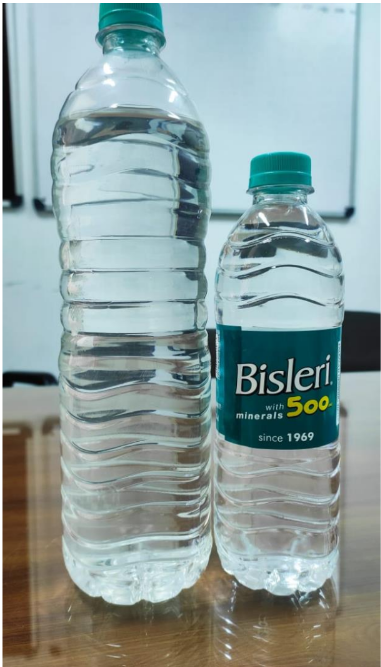
Expansion in water demands has led to massive wastewater generation over the decades. Self purification occurs in nature to decontaminate the organics in natural environments over long times. Advanced biological treatment processes achieve high degree of purification of wastewater in very short intervals as compared to natural purification. The treated water is then available for reuse. Incorporation of sustainable technologies to restore pristine environment is imminent.
Some of the well-developed technologies as on date, relate to suspended growth (activated sludge
process). The suspended growth process involves maintaining a consortium of bacteria in
suspension mixed with wastewater to breakdown the organic matter - carbon and nutrients during
treatment. Maintaining desired level of microbial activity in the reaction tanks still remains a
challenge requiring personnel with knowledge of microbiology. Wash out of biomass from the
reactors has been a handicap in such technologies.
The difference between activated sludge and SRMT:
Activated sludge process – Very well established process, extensively used by most operators.
Using this method equalization of waste and constant flow to the reactors, by definition, will take
long time to reach the desired results.This means any short coming in the design of collection and
reactor sizing can lead to under treatment. The design of secondary settling is critical. Other
disadvantages resulting from change in organic content either a reduction or increase defines the
quality of treatment apart from sizable sludge production. The advent of 21st century saw the invention of suspended biofilm technologies to overcome the
shortcomings of activated sludge process.
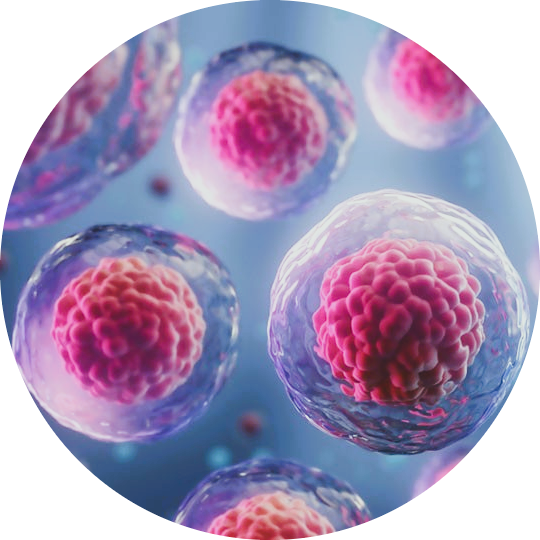
Biofilm Technology – Biofilm technology is an attached growth process that has cells of bacteria
attached to the film on a media either structured or fluidised in a reactor. Wastewater mixed
intimately with the biofilm allows the consortium of bacteria to participate in carbon and nutrient
elimination continuously. In biofilm technology, the disadvantages of activated sludge are negated
by its ability to maintain the desired cell count with a very high active cell count. The ultimate
objective is the same to apply massive active biomass for treatment.
Generally, any level of purification efficiency can be achieved based on the principle of micro-
organisms’ metabolism.
The three tasks required for purification of biodegradable wastewater:
- Carbonaceous BOD removal
- Nutrient removal and
- Sludge treatment
These tasks are normally achieved in three different reactors. Recirculation of active
biomass/sludge from the secondary settling tank to the reactor is critical. Exclusive digesters are
required to treat sludge generated in most wastewater purification processes.
Well-crafted technique combines the three tasks required for purification of biodegradable
wastewater in a single reservoir which is the designers biggest challenge. We can explain “Since
we realize the consequence of the suspended growth process, we have new opportunities.”
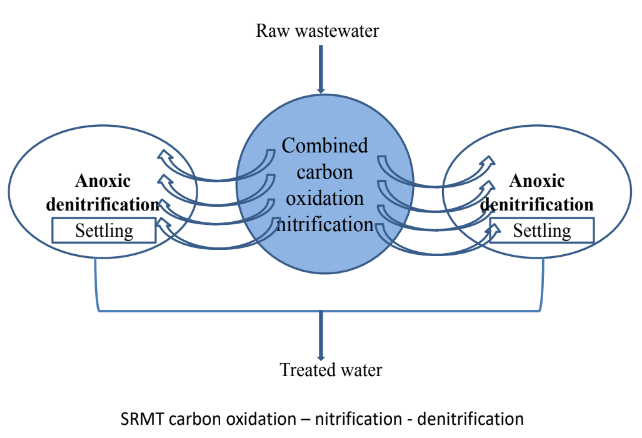
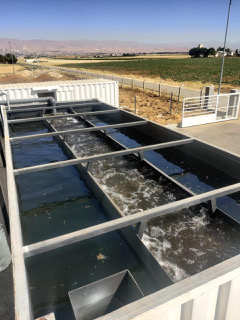
The SRMT design combines all the three tasks of treatment in a single reservoir having two zones
(aerobic & anaerobic). The biofilm participates in all the three tasks by dynamic exchange between
both aerobic & anaerobic zones by virtue of the design of the reservoir.
SRMT has some inbuilt advantages when compared to most technologies:
- Extremely low microbial mortality
- Process unaffected by flow variations or prolonged starvation
- Increased SRT (Solids Retention Time) results in low sludge production, 100% HRT
(Hydraulic Retention Time) utilized for unit processes combining all operations
- Massive equalisation in the reactor
- Organic carbon is essentially ubiquitous, aerobic nitrification occurring in the aeration tank
is followed by prolonged settling to promote denitrification also favouring anammox
reactions
- Sludge fully digested in SRMT and fit for horticulture use
There is virtually no technology that combines aerobic and anaerobic processes in a single
reservoir that fulfils the requirement of nitrogen removal cost effectively. Of course, the biggest
advantage being the decreased sludge production, elimination of sludge recirculation pumps and
the ability to maintain carbonate equilibrium in the system. Overall, the process does not require
human interference to treat the wastewater.
The operators realize the significant improvement in biological treatment processes. High quality
of wastewater treatment is achieved in a single reservoir. This actually eliminates the need to
design any further or separate operations. It can be tailored to suit effluents, leachate and other
sectors too.
SRMT can be scaled to operate from 2,500 litres/day to 4 MLD. It is imminent that most operators
over a time will switch over to biofilm technology as it reduces the role of the personnel to mere
operations without the fear of process failures.
The treated wastewater disinfected by ozone in the treated water tank is fit for disposal or any other
specific application.
SRMT offers a lowered energy consumption and resource saving compared all other same class of
plants with enormous savings in operational expenditure.
Most importantly this lowers the cost of ownership during its life cycle.